

Yorkshire Seeds
25,000x Loosestrife Rosy Gem Seeds – Lythrum Salicaria – Perennial Pink Blooms
25,000x Loosestrife Rosy Gem Seeds – Lythrum Salicaria – Perennial Pink Blooms
Couldn't load pickup availability
25,000x Loosestrife Rosy Gem Seeds – Lythrum Salicaria – Perennial Pink Blooms
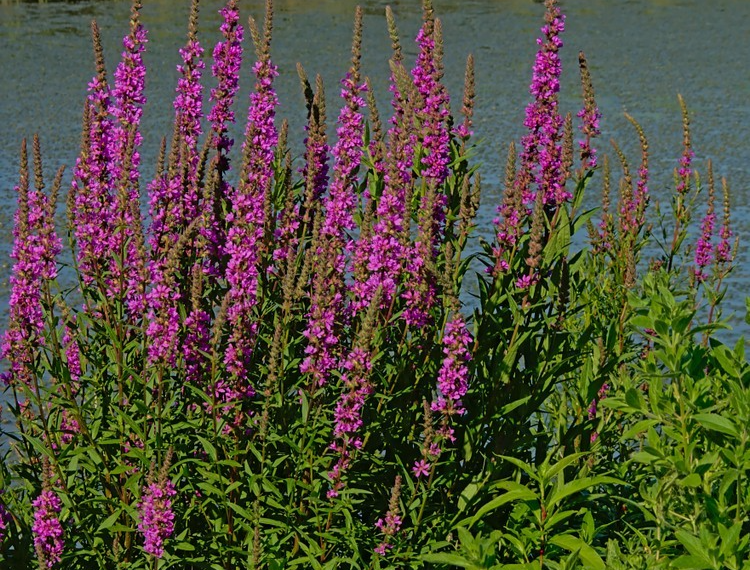
The gorgeous perennial Loosestrife Rosy Gem (Lythrum salicaria) is renowned for its vivid pink flower spikes that enliven wetlands, gardens, and naturalised spaces. This resistant plant is perfect for borders, pondsides, and pollinator-friendly settings because it grows best in full sun and moist, well-drained soils. Loosestrife Rosy Gem increases biodiversity in your garden by drawing hummingbirds, butterflies, and bees. From mid-summer until early autumn, it produces stunning vertical appeal with its upright growth habit, which can reach up to three feet in height. Once established, this hardy perennial requires little care and is simple to grow from seed. For optimal results, plant seeds in the early spring or autumn. Loosestrife Rosy Gem gives enduring colour and ecological value year after year, whether you're creating a colourful garden border or a wildflower meadow.
Growing Instructions:
For optimal results, plant Loosestrife Rosy Gem (Lythrum salicaria) seeds indoors in the early spring or outdoors in the autumn or early spring. Since seeds require sunshine to sprout, gently press them into moist, well-drained soil without completely covering them. Keep the moisture level constant until the seeds germinate, which usually takes 14–21 days. This perennial grows well next to ponds, streams, or moist garden spots, so pick a sunny spot with rich soil. Although Loosestrife Rosy Gem can withstand drought once established, frequent watering is preferred to promote abundant flowers. Pollinators are drawn to the bright pink spikes that are produced during the midsummer to early autumn flowering season. In order to encourage robust growth the following season, trim back any dead stems in late autumn.